

Look for the helpers
Where to look when the world gets dark

When I was a boy and I would see scary things in the news, my mother would say to me, ‘Look for the helpers. You will always find people who are helping.’
- Fred Rogers
During the 1980s, Maria Zeitlin, a professor at Tufts University, traveled throughout impoverished communities in Asia, Africa and Latin America to understand what was causing widespread malnutrition.
Zeitlin approached her research unconventionally.
Instead of focusing on the classic culprits like poverty, under-funding, and lack of education, she wanted to find the families who, despite their difficult circumstances, managed to raise healthy, well-fed children.
This method was later replicated by Jerry Sternin, a researcher in Vietnam, who also went to healthy families in lower-income communities to understand what they were doing right.
Both researchers came to the same conclusion: healthy families relied on local foods, served smaller meals more frequently, and were more actively involved in feeding their children.
In the book, Switch: How To Change Things When Change is Hard, Chip and Dan Heath reflect on this research and coin the term “Bright Spots.”
They define Bright Spots as “the exceptional successes in difficult settings.” Rather than obsessing over failures or root causes, the key is to shift the focus to the positive outliers by asking, “What’s working, and how can we do more of it?”
I read Switch in college and this idea fundamentally changed my worldview.
And recently, I’ve learned about two Bright Spots that I have to share with you.
Bright Spot #1: Titouan Bernicot, founder of Coral Gardeners
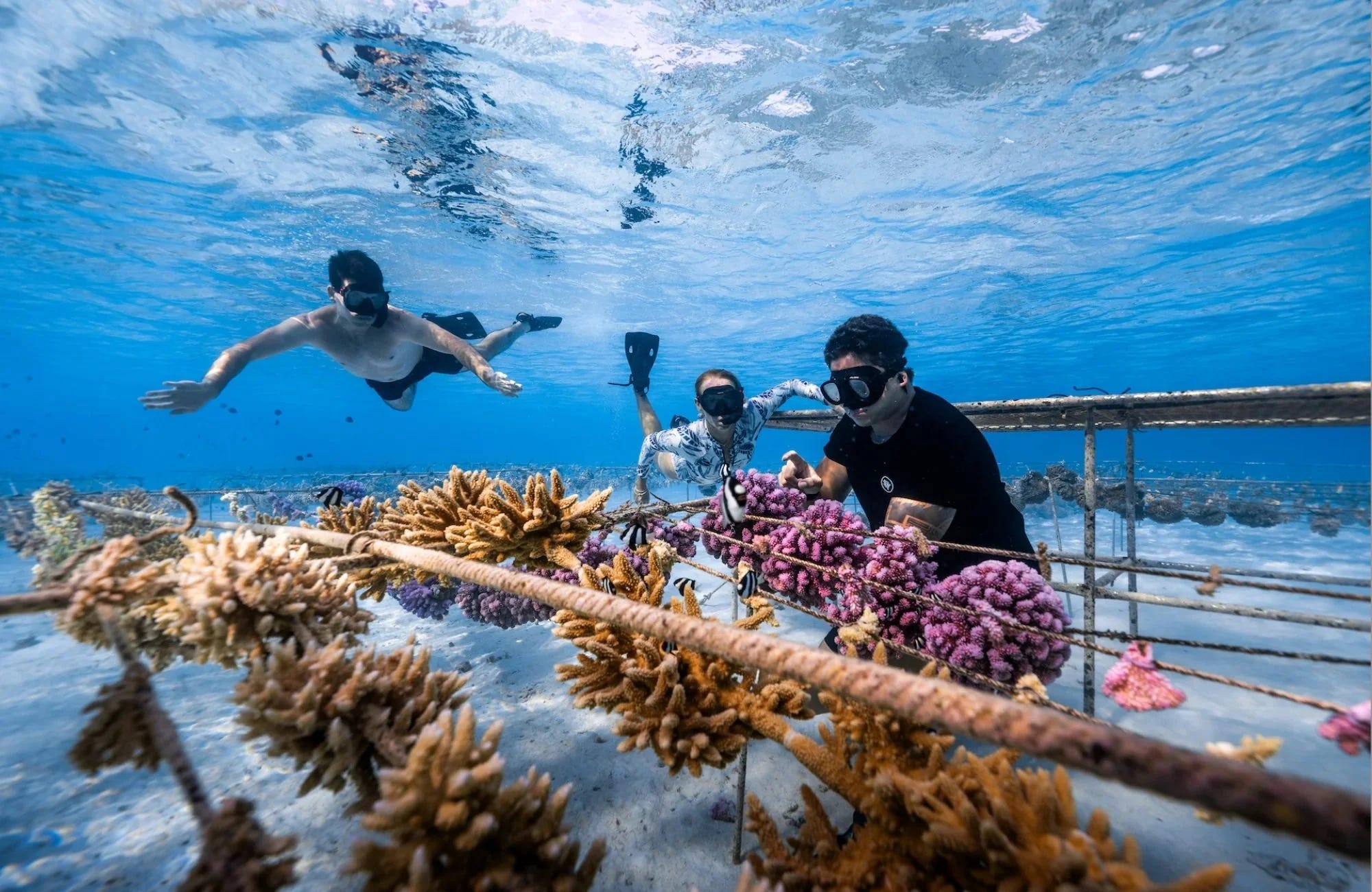
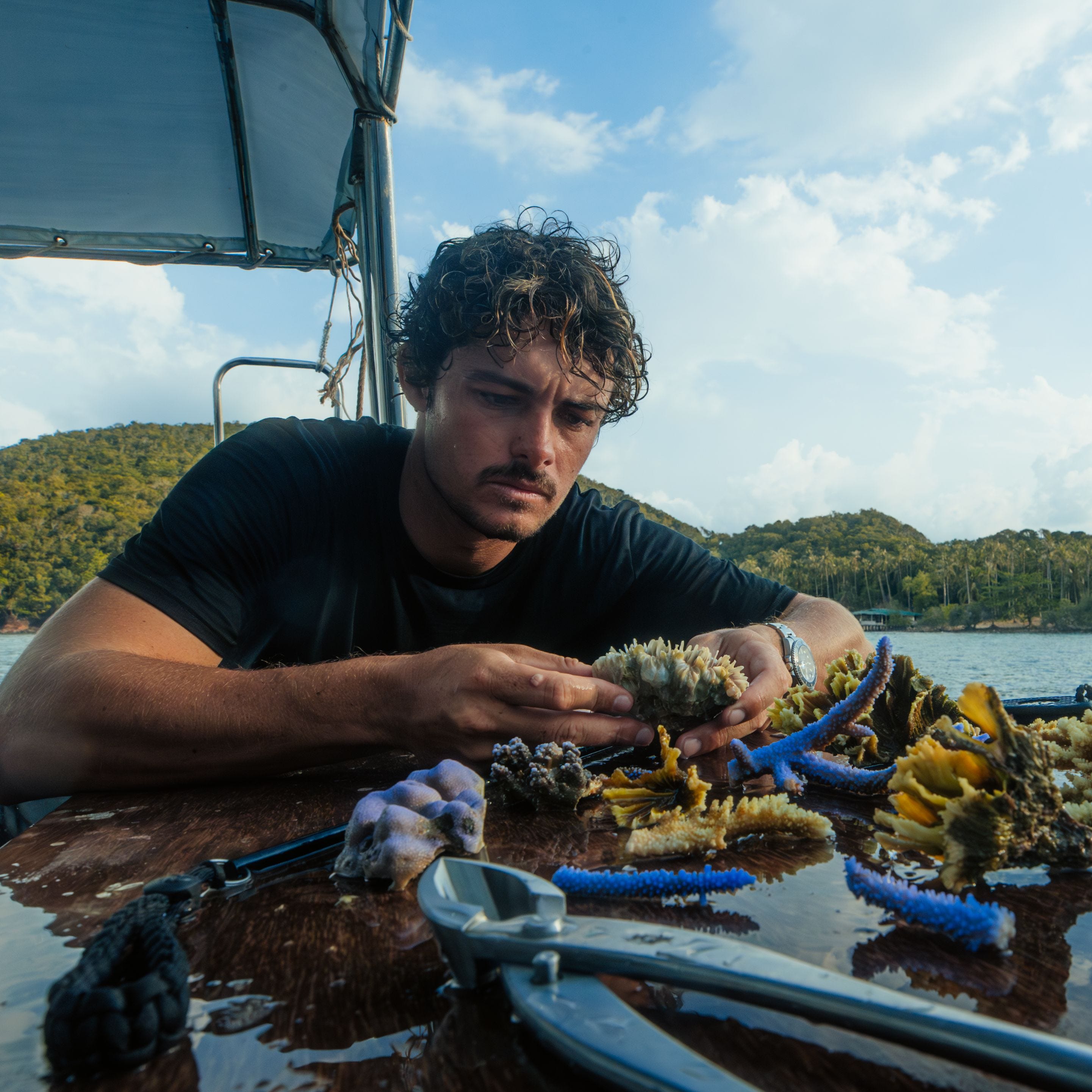
If you watch one video this week, make it this one.
Titouan Bernicot is the Tahitian founder of Coral Gardeners, an NGO that rebuilds coral reefs.
Rebuild coral reefs, you say?
I thought once they were dead they were dead forever??
Nope, not on Bernicot’s watch.
Bernicot’s Bright Spot moment? Learning that you could take the most resilient corals off dying reefs, and use them to birth more climate-resilient coral that can grow in more difficult conditions.
Just like the aforementioned malnutrition studies, by observing what the healthiest subjects were doing, you could replicate it and support the growth of the rest of the population.
Bernicot and his team have now planted over 160,000 corals, rebirthing ocean life in French Polynesia, Fiji and beyond.
Bright Spot #2: Paul Rosolie, founder of JungleKeepers
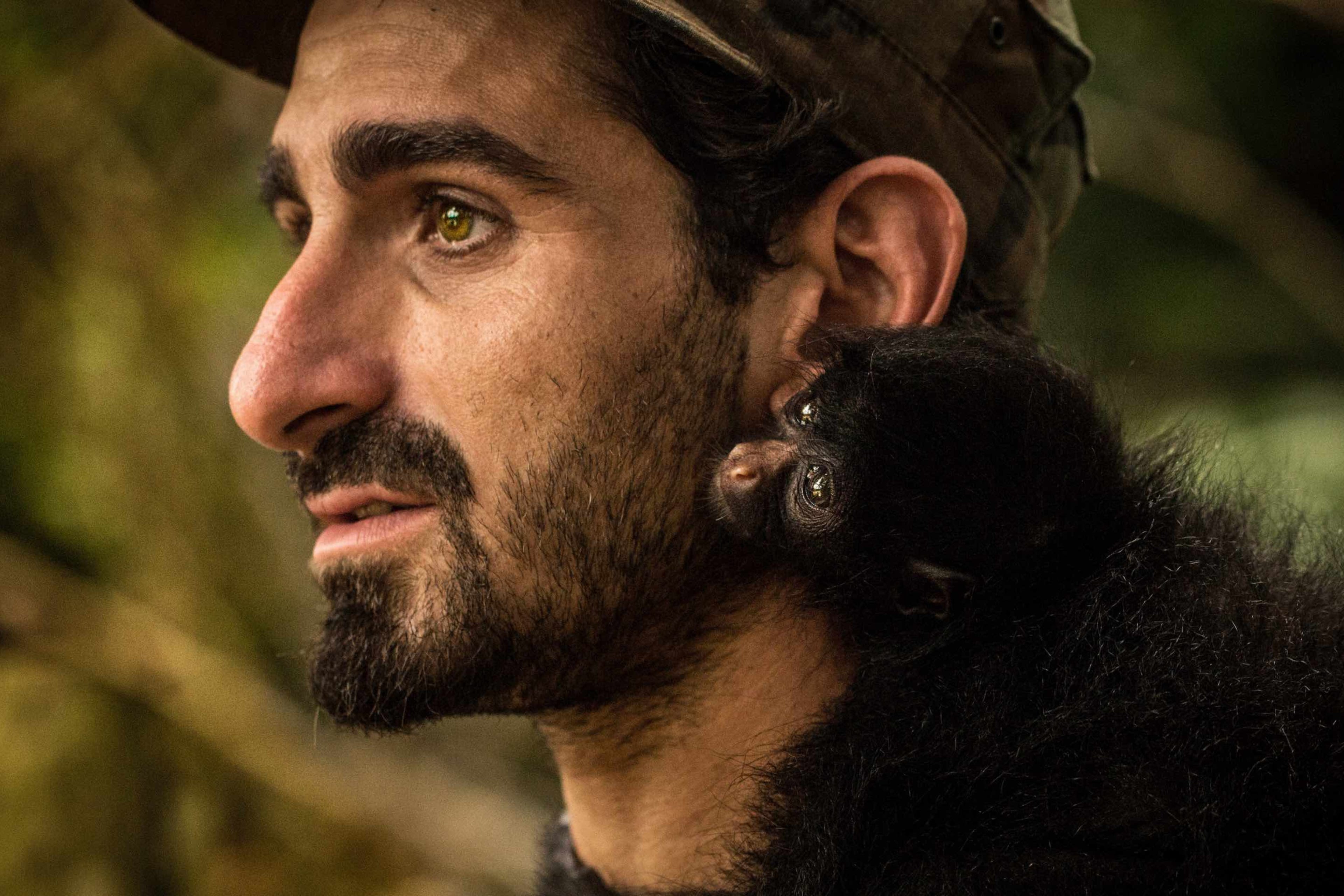
This guy is doing the podcast rounds right now and man is he worth a listen.
At 18, Rosolie moved from New Jersey to the Amazon rainforest and witnessed the rapid scale of deforestation.
From that day forward, he made it his mission to protect Earth’s biggest and most biodiverse habitat.
Rosolie and his team have now preserved 180,000 acres of Amazonian jungle—nearly seven times the size of Manhattan Island. They are in the process of nearly doubling that number and making the region of Madre de Dios, Peru an official national park.
What was Rosolie’s Bright Spot moment? Befriending the tree-cutters.
Yep, having beers with the guys who were destroying the jungle, and ultimately realizing that it was an economic problem.
His solution was simple: he paid them three times what they were making, and instead of tearing the rainforest down, they got hired to protect it.
That idea became the catalyst for the land they’ve saved today.
The Personal
There are countless Bright Spots around the world if you’re willing to look.
But this concept isn’t just external. It matters just as much on an individual level.
In The Confident Mind, Dr. Nate Zinsser talks about how we must each “build our bank”.
In anything you want to get better at, you have to deposit your successes into your internal memory bank. You have to intentionally remember the moments when you did the right thing in order to train your brain to replay those successful patterns in the future.
He explains it beautifully here:
With a functioning mental filter, you could play in an afternoon softball game, get only one hit in four at bats, and spend the evening reliving and enjoying that one successful trip to the plate…by hanging on to the memory of that one hit, rather than beating yourself up by reliving the three misses, you give the part of your nervous system that sees the ball and swings the bat an image of what you want more of, and thus you get that mind-body connection working for you.
In essence, Zinsser is saying to seek the Bright Spots in your own life. To, at the end of every day, reflect on what you did well, what you’re proud of, what you would deem a success. And that way, to get more of it.
Bringing it all together
The reason I’m so anti-news is because it’s structurally opposed to Bright Spots. It gives you all the bad without any solutions, which will leave you paralyzed and disillusioned.
The world can be sad, scary, and dark, yes. But to focus our attention solely on that side of things will only perpetuate it.
What’s required first on an individual level, and gradually on a global level, is an intentional focus on the things that are working. On the good. On the helpers. On what we are each individually doing well.
Where attention goes, energy flows.
And so, to change ourselves and to change the world, it may be as simple as looking in a new direction.
Love,
Matt
PS - I’ve recently become a monthly donor to both Coral Gardeners and Junglekeepers.
If you want to support their incredible work, check out their links above ^^
What an awesome post to read to start my day. Life is what you focus on, so focus on the good. I love it. Your writing is so easy and nice to read. Your messages are great. Keep doing you bro, you are bloody awesome.
Matt, thank you for this, I always believe positivity and optimism will save the world! And that starts with media/news outlets doing their part to inspire hope, not only focusing on the depressing side. Of course both are important, but there needs to be a balance. Media/news outlets don't understand the power they have on influencing peoples' day just based on what they read. As for Coral Gardeners, I am so happy you learned about the importance of coral reef restoration! I am a Marine Biologist and I actually work for another such organization based in Curaçao, Dutch Caribbean. Our non-profit is called BRANCH Coral Foundation and was started back in 2022, but we are incredibly proud of how much we have already grown since then!! I hope you have some time to check us out :) https://branchcoralfoundation.com/ or @branchcoralfoundation on Instagram